
FCE Capacity Evaluation Correlated with Diagnostic Studies | JTECH Medical Case Study
FCE Capacity Evaluation Correlated with Diagnostic Studies
This FCE capacity evaluation case study demonstrates how JTECH functional testing equipment and eSMG helped correlate objective functional findings with advanced diagnostic studies to guide effective treatment. The goal was to determine the patient’s true work capacity and clarify the source of his symptoms so his care team could make confident return-to-work and surgical decisions.
Patient History and Presenting Complaint before FCE Capacity Evaluation
The patient is a 64-year-old male who presented to a chiropractor’s office with acute back and neck pain following an alleged work-related injury on 06/04/2021. He was employed as a maintenance supervisor for a recycling company and routinely handled heavy, awkward objects as part of his job duties. On the date of injury, he was removing large, older-style televisions from recycling bins when he developed significant lower back pain. Over the next week, the pain progressed from localized low-back discomfort to severe pain radiating into the left buttock, posterior thigh, and calf, accompanied by numbness along the lateral aspect of his left foot, consistent with lumbar radiculopathy. He also reported persistent neck pain and stiffness, raising concern for combined cervical and lumbar involvement after the work incident.
Functional Capacity Evaluation with JTECH Equipment
Because of the complexity of his symptoms and the physical nature of his job, the treating providers ordered a comprehensive functional capacity evaluation using JTECH FCE equipment. The FCE capacity evaluation was designed to objectively measure his tolerance for lifting, carrying, pushing, pulling, and positional activities such as bending, squatting, and overhead reaching. JTECH digital force gauges and motion analysis tools allowed the clinicians to precisely quantify his strength, range of motion, and endurance over multiple trials. Throughout the evaluation, the examiners monitored performance consistency, symptom behavior, and heart rate to distinguish between true physical limitations and fear-avoidant behavior or submaximal effort. This data helped define his safe functional limits in relation to the actual demands of his maintenance supervisor role.
Correlation with Diagnostic Imaging and Electrodiagnostics
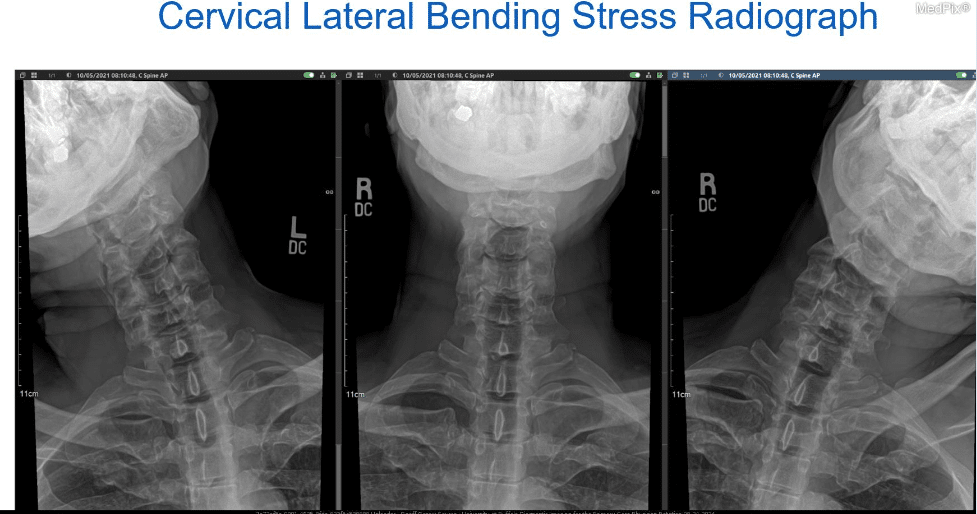
In addition to the functional capacity evaluation, the patient underwent diagnostic studies including MRI and electrodiagnostic testing to further investigate his radicular symptoms. Lumbar MRI was used to assess for disc herniation, foraminal stenosis, or other structural causes of nerve root compression that could explain his left lower extremity pain and numbness. Electrodiagnostic testing, including EMG and nerve conduction studies, provided additional insight into the integrity of the affected nerve roots and the severity of any axonal injury. Using JTECH equipment and eSMG, the providers were able to compare objective functional deficits—such as reduced lifting capacity, limited lumbar range of motion, and pain-limited tolerance for prolonged standing or walking—with the levels identified on imaging and electrodiagnostic studies. This correlation between the FCE capacity evaluation and diagnostic findings strengthened the clinical impression that his work-related injury had produced a true neurologic deficit rather than nonspecific back pain alone.
Impact on Treatment Planning and Work Status
The combined findings from the FCE and diagnostic studies played a central role in shaping the patient’s treatment plan. The documented limitations in lifting and repetitive bending guided the chiropractor and consulting specialists toward a more protective approach in the early phases of care, emphasizing pain control, inflammation reduction, and activity modification. As his care progressed, the FCE results provided clear benchmarks for functional goals in physical rehabilitation, such as targeted strengthening for the lumbar spine and lower extremities and graded exposure to job-specific tasks. Because the FCE capacity evaluation quantified his safe working thresholds, the care team could make more confident recommendations regarding temporary work restrictions, modified duty, or time away from heavy labor. The correlation with imaging and electrodiagnostic findings also supported medical necessity for advanced interventions, and helped document the rationale for ongoing care in a way that was understandable to employers, insurers, and case managers.
Role of JTECH FCE and eSMG in Clinical Decision-Making
This case highlights how integrating JTECH FCE equipment and eSMG into a comprehensive evaluation can provide a clearer picture than imaging or clinical examination alone. Objective FCE capacity evaluation data allowed the providers to identify which movements and loads consistently reproduced the patient’s symptoms and which activities remained within his tolerance. By aligning these objective measures with MRI and electrodiagnostic results, the team could differentiate between functional limitations due to structural pathology and those driven by deconditioning or pain avoidance. For the patient, this translated into a more precise explanation of his condition, a tailored rehabilitation plan, and realistic expectations for return to work. For the provider and employer, it offered defensible documentation that connected diagnostic findings to real-world functional capacity.
Learn More
This FCE capacity evaluation correlated with diagnostic studies illustrates how objective functional testing can strengthen clinical decision-making in complex work injury cases. To see the full imaging and electrodiagnostic details, as well as additional FCE data and images, you can review the complete case published through MedPix.